A Refuge for the Columbian White-Tailed Deer
An excerpt from the article, “Whitetails West of the Divide,” published in the Backcountry Journal, Summer 2026 Issue:
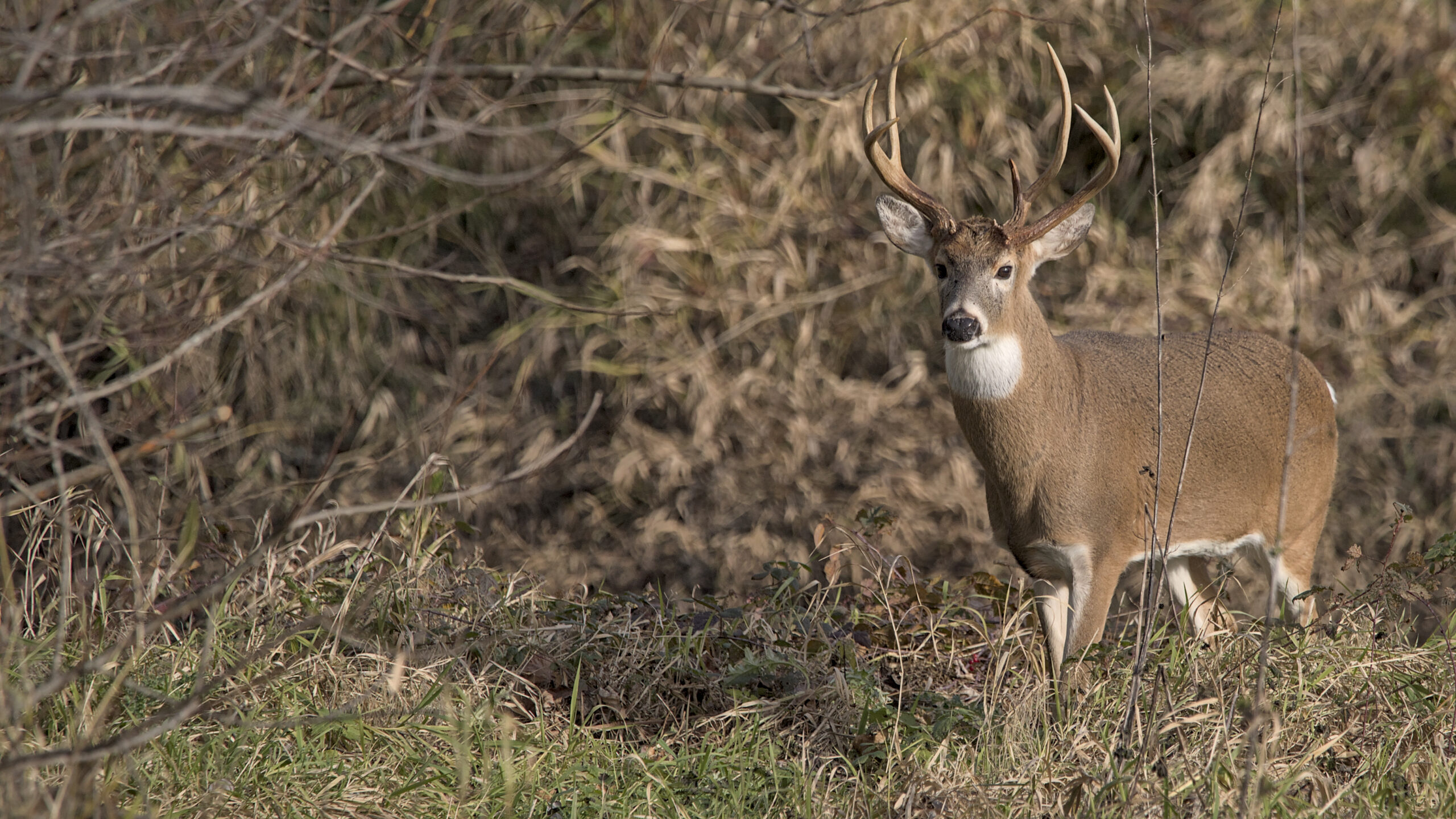
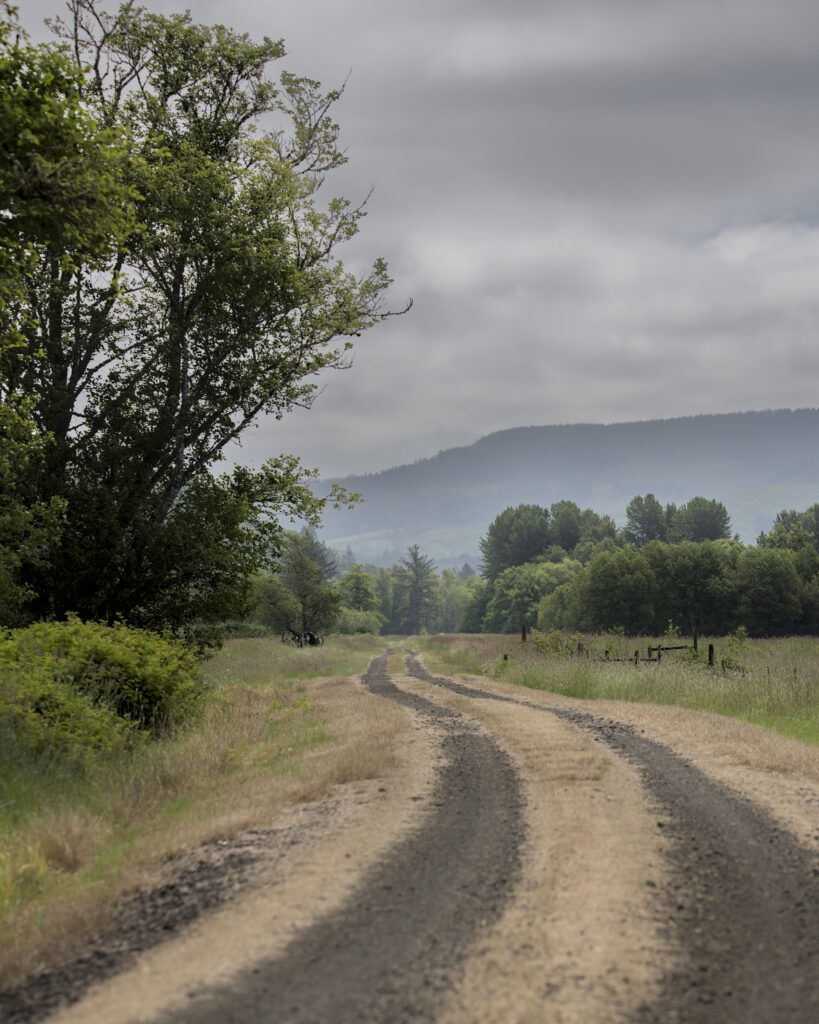
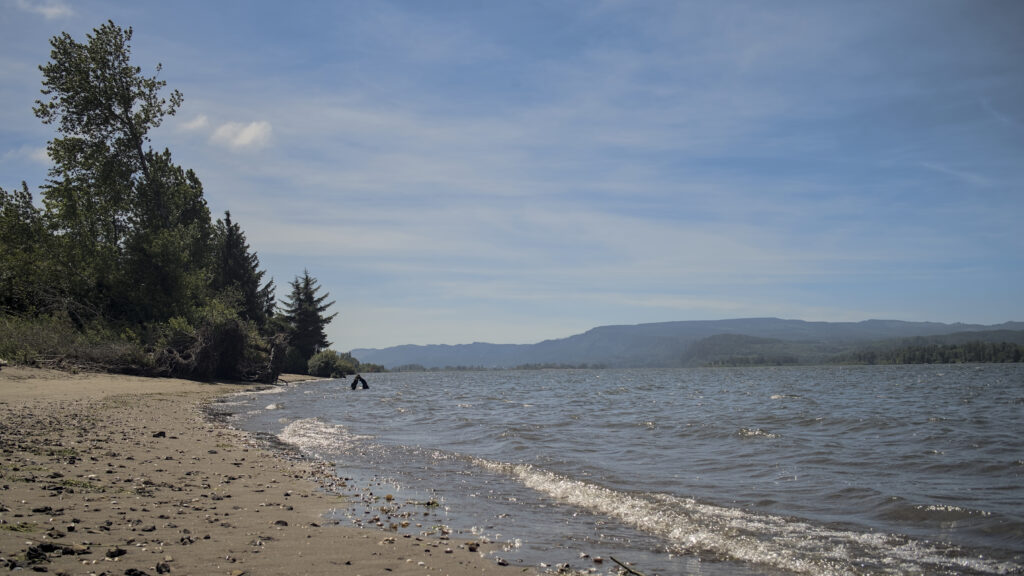
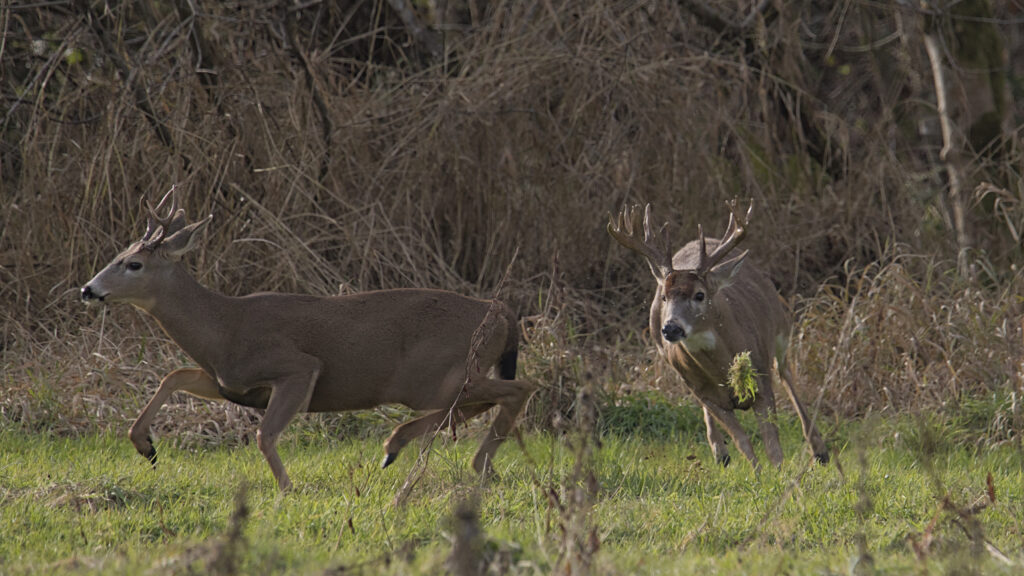
If you woke up one dewy morning on Puget Island, you’d look out your window at the flat farmland, perhaps grab a cup of coffee, and sit down to watch the deer grazing near the cottonwoods. Their white-tails and the single main beams of the buck convince you that you are further east, maybe on an idyllic farm in the Midwest. Scanning the horizon, you spot the looming Cascade Mountains, see glimpses of the sun rising over them through the early marine haze, and remember that your deciduous landscape is an island amidst the firs and cedars of the Pacific Northwest. Here, white-tailed deer are a rarity, a nearly lost relic of coastal wilderness. Less than a mile across the channel sits the tip of a refuge sharing the same niche habitat and is home to the Columbian white-tailed deer. Despite only recently escaping endangerment, the waters are rising on one of America’s most vulnerable deer…
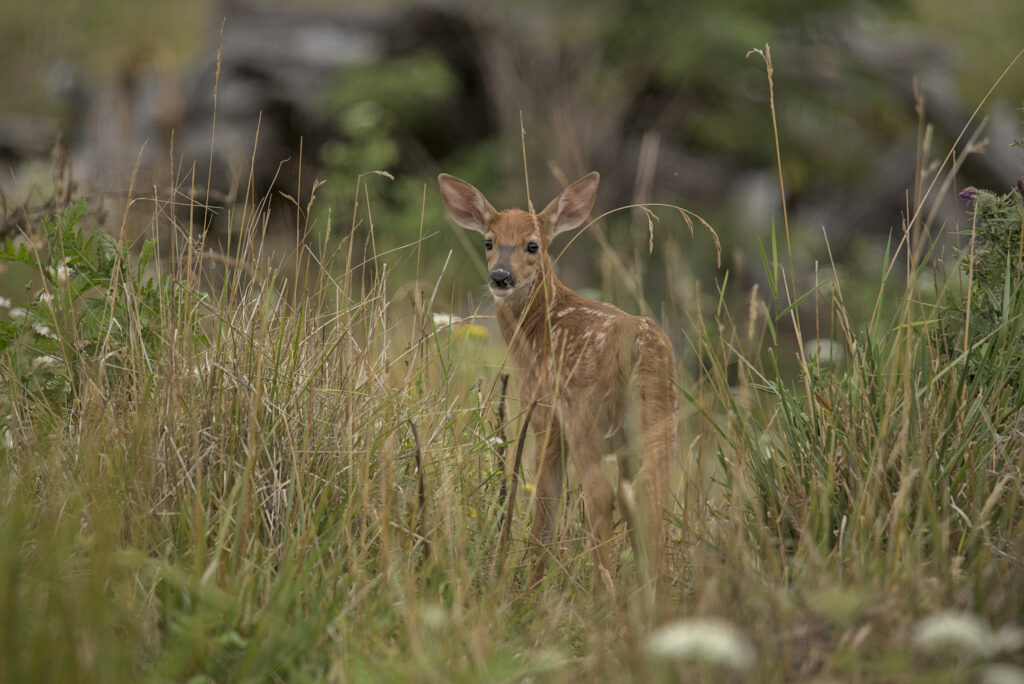
…CWT deer exist within two population groups, one in Washington named the Columbia River population, and the other in Oregon named the Roseburg population. By the numbers, the Roseburg population has thrived with a contiguous 300 square miles of habitat – achieving a population of over 6,400 deer by 2005. That year, the pursuit of CWT deer was legalized in Oregon. Just north in Washington, the population was a scant 545 in 2002. The reason for this disparity becomes clear when you survey their 90 square miles of suitable habitat – it is fragmented by major waterways, towns, and highways…
…Today, much of JBH is protected by levees not unlike those erected more than 100 years ago, but recent history has proven that they are not perfect. “Overtopping (of the levees) has occurred the last three winters,” Bonello recounts. Other issues stem from erosion, “The US Army Corps of Engineers finished the construction of [an additional] levee in 2015 to protect the Refuge from a potential levee breach in an area along the shipping channel.” It’s no surprise that when asked about the greatest challenge that the CWT deer faces in Washington, Bonello is quick to answer: “Climate change.”
To learn more about the Julia Butler Hansen Refuge for the Columbian White-Tailed Deer, visit them Here.
Leave a Reply